
When buyers evaluate a sock manufacturer, production capacity is often one of the first subjects they discuss.
Factory size, machine count and annual output provide useful information. They help buyers understand whether a supplier may have enough physical capacity for an order.
However, these numbers do not show how effectively the factory will manage a specific product. More machines can increase potential output, but reliable sock production also requires clear specifications, controlled sampling, realistic planning, consistent quality checks and timely communication.
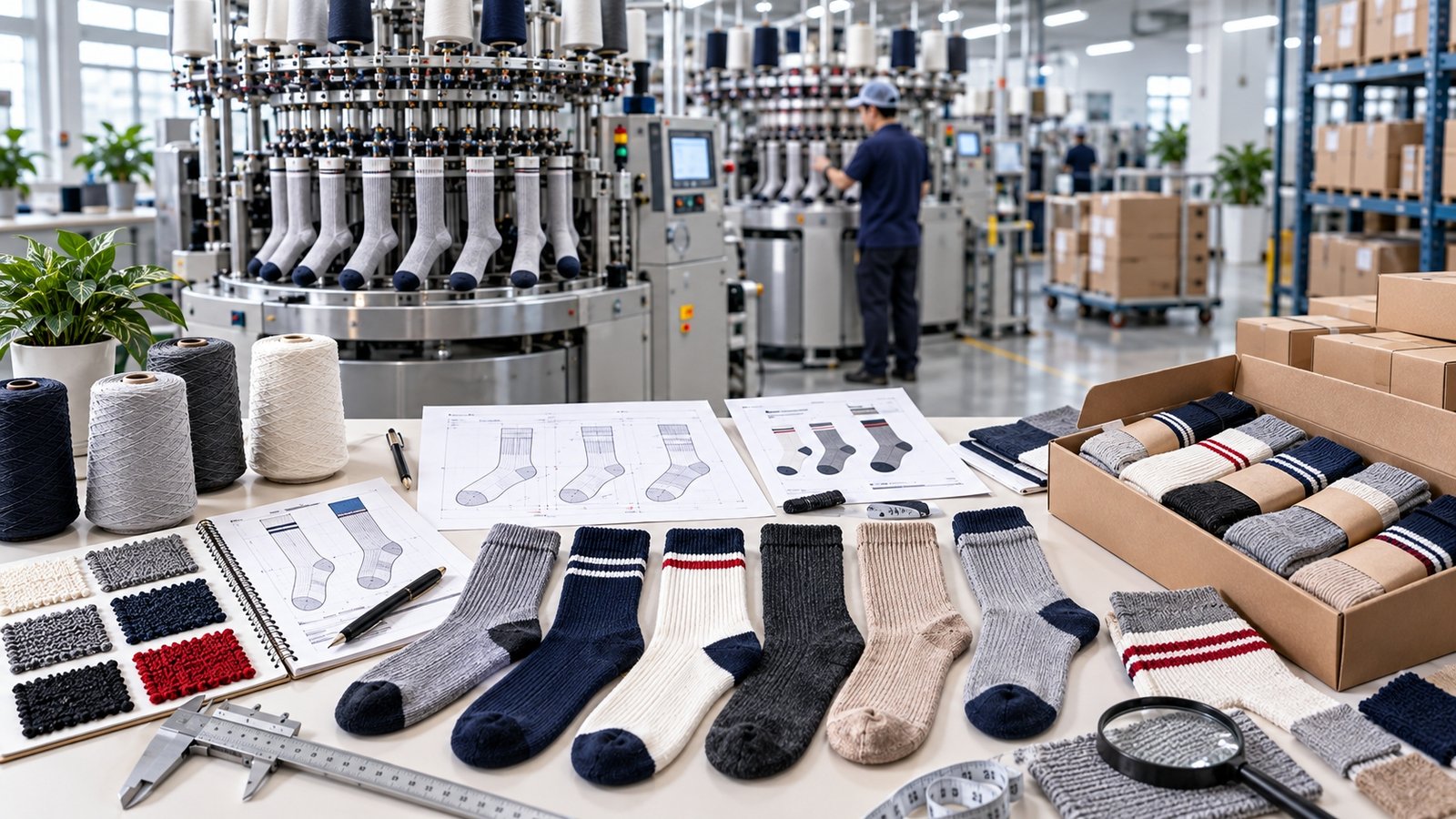
01 · Machine Count Measures Potential, Not Execution
A knitting machine can produce socks only when the correct yarn, programme, settings and instructions are available. The number of machines therefore describes potential capacity rather than the complete production result.
Buyers should also ask:
- Which machines are suitable for the required sock structure?
- Is production capacity available during the required period?
- Are the correct yarns and colours ready?
- Who confirms machine settings and size specifications?
- How are urgent changes communicated to production?
A large machine count has limited value if the required equipment is unavailable, incorrectly scheduled or working from unclear instructions.
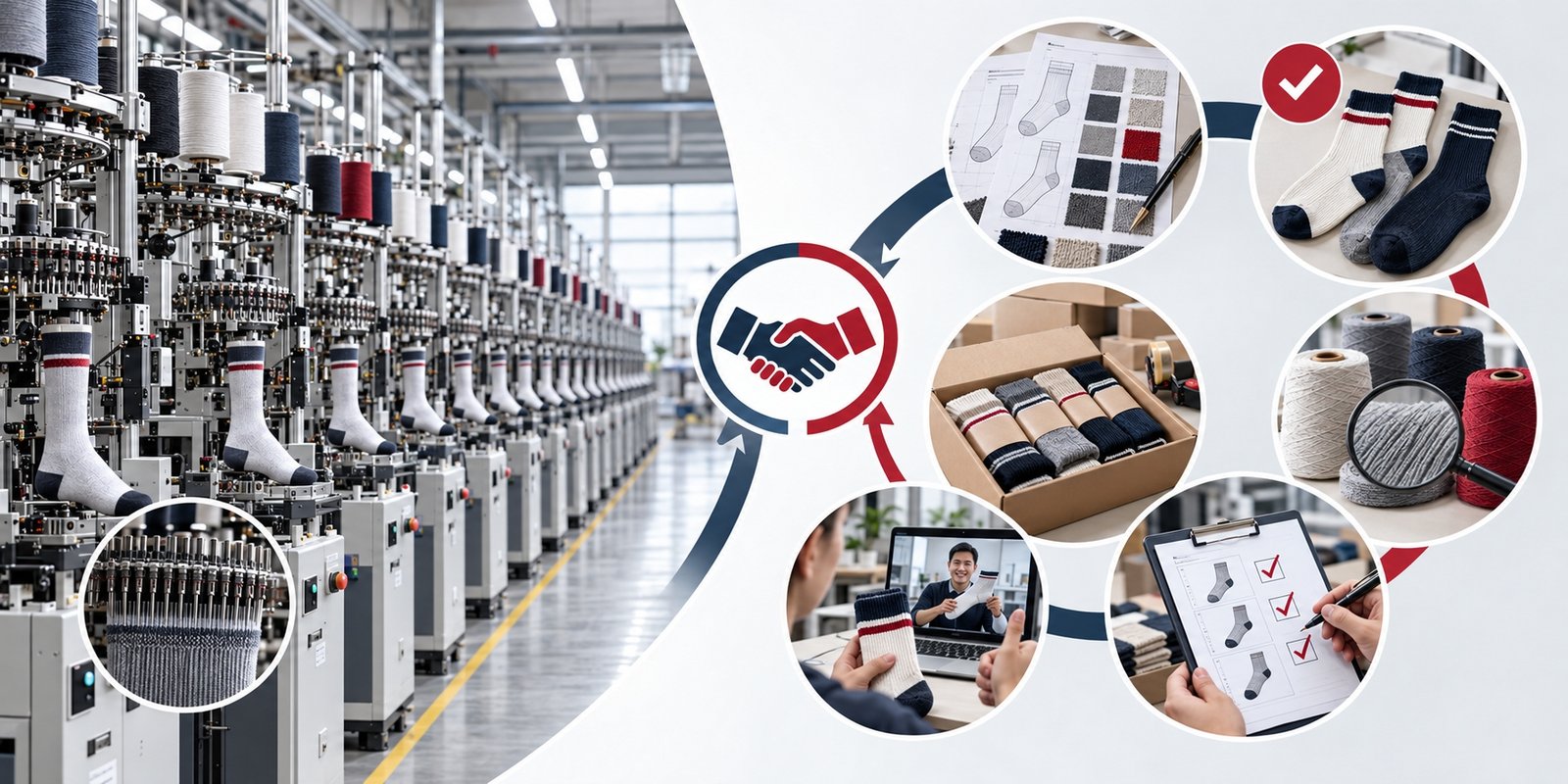
Machine quantity indicates potential capacity, while specifications, quality control and coordination determine production reliability.
02 · Product Understanding Comes Before Efficient Production
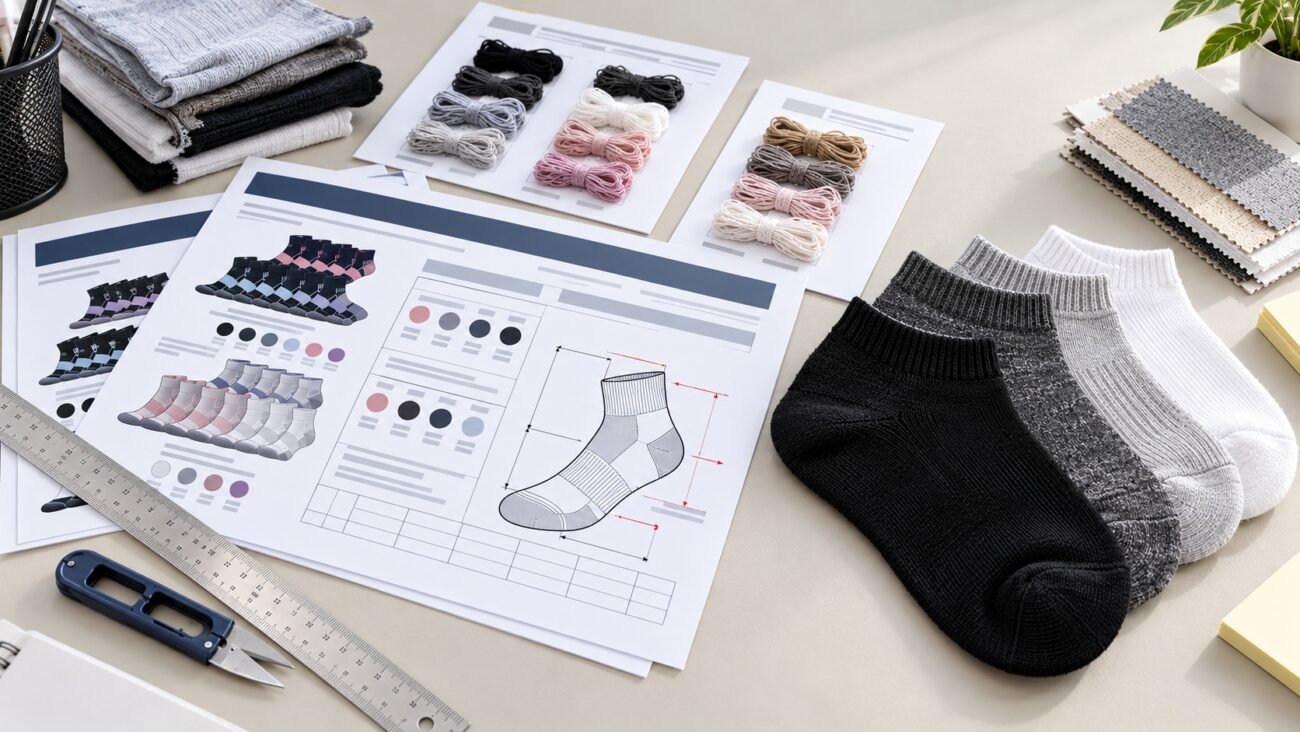
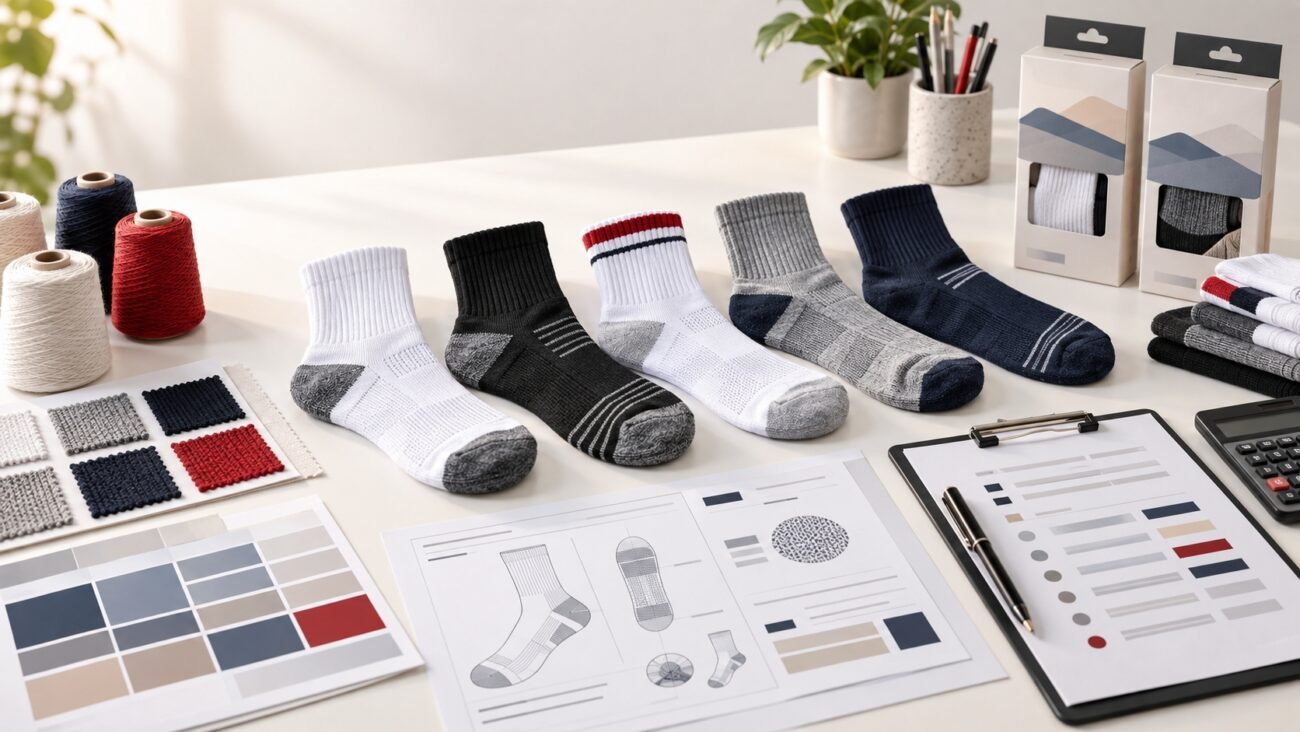
Before production begins, the supplier needs to translate the buyer’s design into measurable manufacturing requirements.
This may include:
- Yarn composition and colour standards
- Needle count and knitting structure
- Size measurements and tolerances
- Logo method and placement
- Cushioning, mesh and compression zones
- Pairing, labels and packaging
If these details are unclear, additional machines will only reproduce the same misunderstanding at a larger scale.
A reliable manufacturer confirms the specification before allocating bulk production capacity.
03 · Sampling Tests the Process
Sampling is more than creating one attractive sock. It tests whether the design, material, construction and measurements can be repeated in production.
During sampling, the supplier should record changes, update the specification and identify any features that require special attention during bulk manufacturing.
The approved sample should then become part of the production reference together with the final specification, yarn standards and packaging requirements.
This transfer from development to production is a better indicator of execution than machine count alone.
04 · Production Control Keeps Output Consistent
Bulk orders usually involve several stages: material preparation, knitting, linking or sewing, boarding, inspection, pairing, labelling, packing and shipment preparation.
Each stage can affect the final result. Effective production control should therefore include:
- Clear production instructions
- First-piece or pre-production confirmation
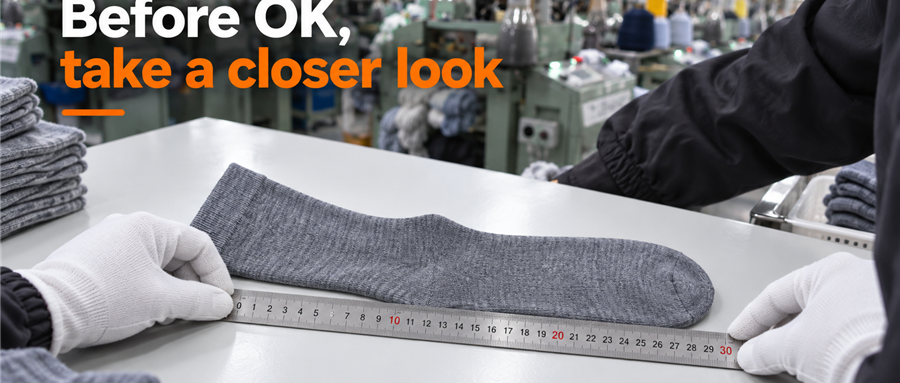
- In-process measurement and appearance checks
- Separation of defective or uncertain products
- Packaging and assortment verification
- Records of approved changes
The goal is not simply to keep machines running. The goal is to produce repeatable goods that match the buyer’s approved requirements.
05 · Capacity Planning Must Include the Whole Order
Knitting is only one part of the production schedule. Yarn preparation, finishing, inspection, packaging and testing can also affect the delivery date.
When reviewing capacity, buyers should ask for a timeline that covers the full order rather than only knitting output.
A realistic plan should identify:
- Material confirmation dates
- Sampling and approval deadlines
- Production start and completion targets
- Inspection and testing time
- Packaging readiness
- Shipment booking requirements
This gives the buyer a clearer view of delivery risk and makes progress easier to monitor.
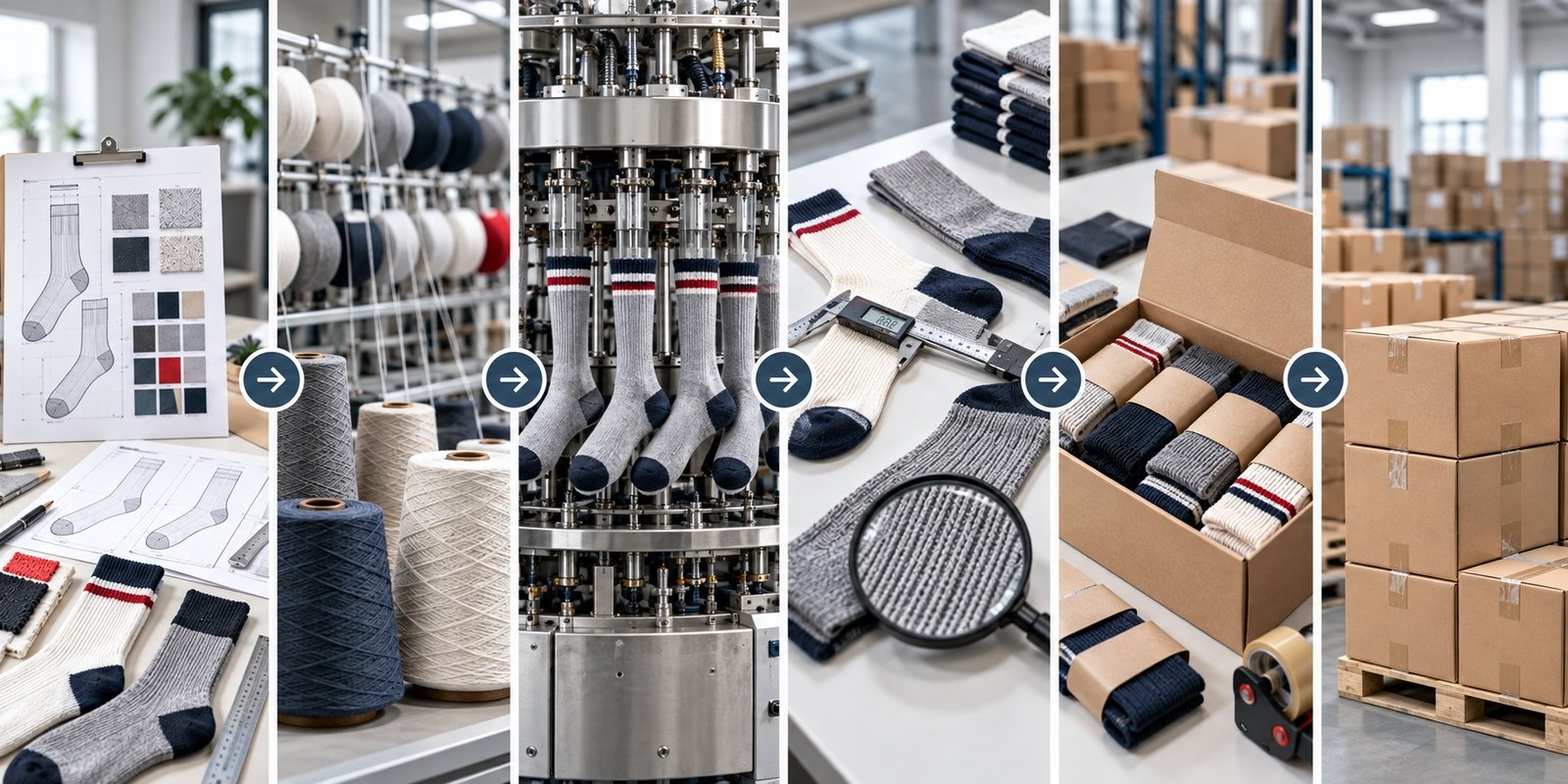
Reliable sock production coordinates specifications, materials, knitting, inspection, packaging and shipment preparation.
06 · Evaluate the System Behind the Machines
Machines are important, but buyers also need to understand the system that manages them.
When evaluating a sock manufacturer, discuss one actual product and ask how it would move from specification and sampling through production, inspection, packaging and shipment.
The answer will show whether the supplier can coordinate the complete project, communicate decisions and maintain the approved standard.
At Canfly Socks, we support brands, retailers and private label customers through product development, sampling, manufacturing, quality control, packaging and shipment coordination.
If you are evaluating sock production capacity for a new programme, send us your product brief, target quantity and expected delivery schedule.
Email: sales05@zjcanfly.com
WhatsApp: +86 137 3535 0489