

A social-compliance audit and a secure export-loading process answer different buyer questions. BSCI-related due diligence focuses on workplace and social-performance expectations. CTPAT focuses on supply-chain security and the protection of cargo from unauthorized access, material or persons.
For bulk sock orders, the distinction matters. A factory may have strong social-compliance records, yet the shipment still requires a controlled handover from finished cartons to the sealed container. Importers and retailers may therefore ask for inspection records, loading photographs, seal controls and exception reports in addition to social-compliance documentation.
CTPAT, formally the Customs Trade Partnership Against Terrorism, is a voluntary programme administered by U.S. Customs and Border Protection. It is not a universal legal requirement for every North American retailer or every sock shipment. The relevant controls depend on the importer, its CTPAT status, customer policy, route, carrier and shipment risk assessment.
This article explains how a sock supplier can support CTPAT-aligned loading controls without making unsupported certification claims.
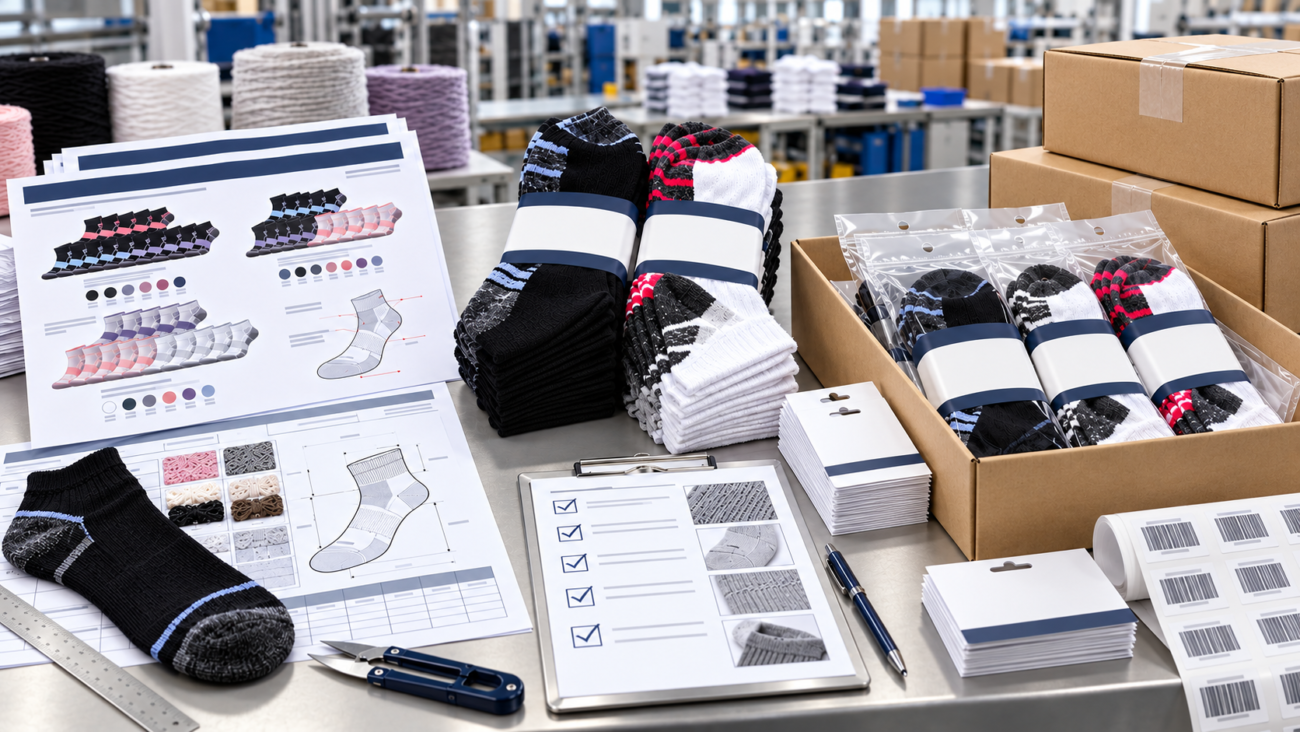
The images in this article are privacy-safe technical editorial visuals created from authentic export-loading references. They illustrate inspection and documentation practices without reproducing customer names, carton marks, barcodes, container numbers, seal numbers or order data.
01. BSCI and CTPAT Address Different Risks
BSCI is commonly used by buyers as part of social-performance monitoring and responsible-sourcing due diligence. It examines topics such as working conditions, worker rights, health and safety, working hours and remuneration within a supply chain.
CTPAT addresses cargo and supply-chain security. CBP describes it as a voluntary public-private partnership in which participants identify security gaps and implement measures across their international supply chains.
The two areas can support the same sourcing programme, but one does not replace the other.
| Buyer question | Main control area | Typical evidence |
|---|---|---|
| Are workplace and social expectations being managed? | Social compliance and due diligence | Audit and corrective-action records |
| Is cargo protected during loading and handover? | Supply-chain and container security | Inspection, access, loading and seal records |
| Can the supplier trace what happened at dispatch? | Shipment documentation | Photos, timestamps, carton count and exception records |
Buyer takeaway: review social compliance and export-loading security as separate approval subjects.
02. Start With the Importer’s Actual Requirement
Before preparing a loading plan, confirm what the importer or retailer requires. Do not assume that the words “U.S. shipment” automatically mean the same procedure for every order.
Clarify:
- Whether the importer participates in CTPAT
- Whether a customer-specific security manual applies
- Which container or trailer inspection form must be used
- Whether an importer representative or nominated third party must attend
- Which seal standard and seal-record fields are required
- Which loading photographs must be retained
- How long the records must be stored
- Who must receive the completed loading report
The customer’s written requirement should be translated into a shipment-level checklist before the container arrives.
03. Inspect the Empty Container Before Stuffing

The empty container should be checked for structural integrity, reliable doors, cleanliness and dry interior conditions before loading.
CBP’s foreign-manufacturer security criteria state that procedures should verify the physical integrity of a container before stuffing, including the reliability of the door-locking mechanisms. The guidance recommends a seven-point container inspection:
- Front wall
- Left side
- Right side
- Floor
- Ceiling or roof
- Inside and outside doors
- Outside and undercarriage
The inspection should look for structural changes, false compartments, damage, holes, contamination and unreliable locking hardware. The result should be recorded before cartons enter the container.
For textile and sock shipments, Canfly’s operational check can also include cleanliness, dryness, unusual odour and visible evidence of water entry. These product-protection checks support cargo quality, but they should be described as company or customer controls rather than quoted as universal CTPAT requirements.
If light enters through an unexpected opening, the floor is wet, the container has a strong odour or the locking mechanism is unreliable, loading should stop until the container is replaced or the exception is formally resolved.
04. Control Access at the Point of Stuffing
Container security depends on who can enter the loading area and who can handle the cargo. A useful loading plan identifies the authorised team before work begins.
Controls may include:
- Restricted access to the loading bay
- Named personnel responsible for inspection, carton counting and supervision
- Visitor or driver verification according to site procedure
- Separation of approved export cartons from other goods
- Prevention of unattended open-container periods
- Immediate reporting of unknown persons, unexplained packages or damaged cartons
- A documented handover between warehouse, security and carrier personnel
The purpose is to maintain custody from the approved finished goods to the sealed conveyance.
05. Match the Cargo to the Approved Shipping Plan
Security records are most useful when they also confirm that the correct commercial cargo was loaded. Before and during stuffing, compare the physical shipment with the approved packing and dispatch information.
Check:
- Purchase order or shipment reference
- Destination and consignee instructions
- Total carton quantity
- Carton sequence or pallet count where applicable
- Carton condition and closure
- Approved shipping marks
- Gross and net weight records where required
- Loading pattern and space use
- Any short, extra, replaced or damaged carton
Avoid photographing customer-sensitive labels for general marketing use. Operational evidence should remain in the controlled shipment file and be shared only with authorised parties.
06. Record the Loading Process
A complete photo record should show the process clearly enough for another team member to verify what happened. The exact photo list should follow the importer’s instructions.
A practical record may include:
- Empty container interior before loading
- Door and locking hardware condition
- Container floor, walls and roof inspection
- First cartons entering the container
- Loading progress at agreed stages
- Final carton arrangement before closing
- Closed doors and applied seal
- Seal record and final container condition
Photos should be linked to the shipment record using controlled filenames, dates or report fields. They should not be mixed with public marketing images or stored without access control.
07. Apply and Control the Security Seal

Seal application, number verification and controlled photographs support a traceable release record.
CBP’s foreign-manufacturer criteria require procedures to seal loaded U.S.-bound containers and refer to high-security seals meeting the applicable ISO 17712 standard. The importer’s current instructions should define the exact seal type and documentation method for the shipment.
Good seal control includes:
- Restricted custody of unused seals
- Recording who issued and applied the seal
- Checking the seal and locking point before use
- Recording the unique seal number in the controlled shipment file
- Verifying the recorded number before release
- Photographing the applied seal and closed doors when required
- Reporting damaged, missing, replaced or mismatched seals immediately
Seal numbers and container numbers are sensitive operational data. Keep the complete evidence in the authorised shipment record rather than publishing it in articles or social posts.
08. Manage Exceptions Before Release
A checklist is effective only when the team knows what to do after a failed check. The procedure should define who can stop loading, who reviews the issue and how the resolution is recorded.
Typical exceptions include:
- Holes, structural alterations or damaged doors
- Wet, dirty or strongly odorous container interiors
- Unreliable locking mechanisms
- Carton-count differences
- Damaged or unapproved cartons
- Unauthorised access to the loading area
- Seal-number mismatch
- Seal replacement after initial application
- Missing photographs or incomplete records
Do not correct a record silently. Document the original issue, the decision, the corrective action and the final approval before the container is released.
09. Build a Shipment Evidence Pack
The final evidence pack gives the importer a traceable record of the loading event. Depending on customer requirements, it may contain:
- Empty-container inspection checklist
- Loading authorisation
- Packing list or controlled carton-count sheet
- Loading photographs
- Exception and corrective-action record
- Seal issue and application record
- Container and seal verification
- Names or identifiers of responsible personnel
- Date and time of loading and release
- Carrier or driver handover record
The record format should protect commercial confidentiality while still allowing authorised teams to verify custody and investigate discrepancies.
Practical Container-Loading Checklist
| Stage | Control | Evidence |
|---|---|---|
| Before arrival | Confirm customer, importer and carrier instructions | Approved shipment checklist |
| Empty container | Complete structural and locking inspection | Signed form and controlled photos |
| Product protection | Check clean, dry and acceptable interior condition | Inspection result and exception record |
| Loading access | Limit the stuffing area to authorised personnel | Access or supervision record |
| Cargo verification | Match cartons to the approved shipment plan | Count sheet and loading record |
| Final loading | Record completed arrangement and carton condition | Final interior photographs |
| Sealing | Apply the required high-security seal and verify its record | Seal log and controlled photo |
| Release | Confirm documents, exceptions and handover | Completed loading report |
Frequently Asked Questions
Does every U.S. retailer require CTPAT certification from a sock factory?
No. CTPAT is a voluntary CBP programme, and participation or supplier-security requirements vary by importer and retail programme. Confirm the buyer’s written requirements for each project.
Does a BSCI-related audit cover container-loading security?
It should not be treated as a substitute for a cargo-security procedure. Social-compliance due diligence and container-loading security address different risks and normally require different evidence.
Is an odour check part of the official seven-point inspection?
The seven-point inspection focuses on container integrity and specified structural areas. Cleanliness, dryness, water-entry and odour checks can be added as product-protection controls for textiles, but they should be identified as company or customer requirements.
Why photograph the loading and sealing process?
Controlled photographs can support carton-count verification, loading supervision, seal application and investigation of later discrepancies. The required images and retention period should follow the importer’s procedure.
Can container and seal numbers be used in public marketing content?
They should normally remain in the authorised shipment file. Public materials should remove or avoid customer names, carton marks, barcodes, container numbers, seal numbers and order information.
What should stop a container from being released?
Examples include unresolved structural damage, water or contamination risk, unauthorised access, carton-count differences, unreliable door hardware, seal mismatch or incomplete required records.
BSCI-related social-performance controls and CTPAT-aligned cargo-security controls can both support a retail sourcing programme, but they solve different problems. For bulk sock shipments, the operational goal is a clear chain of custody: inspect the empty container, control access, verify the cartons, document loading, apply the required seal and retain an exception-ready evidence pack.
Canfly Knitting supports brands, retailers and private-label sock programmes through product development, manufacturing, quality control, packing and export coordination. Container-loading procedures are confirmed against the importer’s written requirements for the individual shipment.
For a bulk sock project, send the destination market, product specification, estimated quantity, packing requirements, importer security instructions and required delivery timing.
Email: sales05@zjcanfly.com
WhatsApp: +86 137 3535 0489
Website: www.canflysocks.com
Technical references: U.S. Customs and Border Protection — CTPAT; CBP Security Criteria for CTPAT Foreign Manufacturers