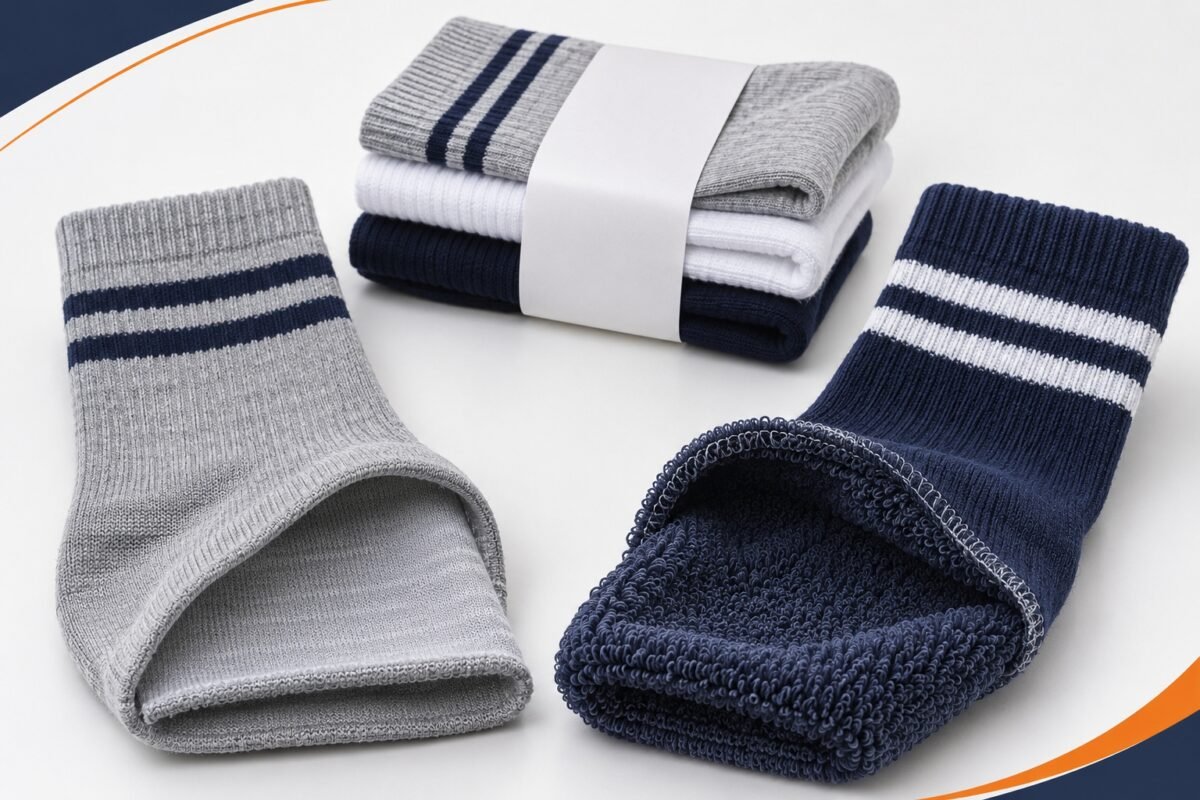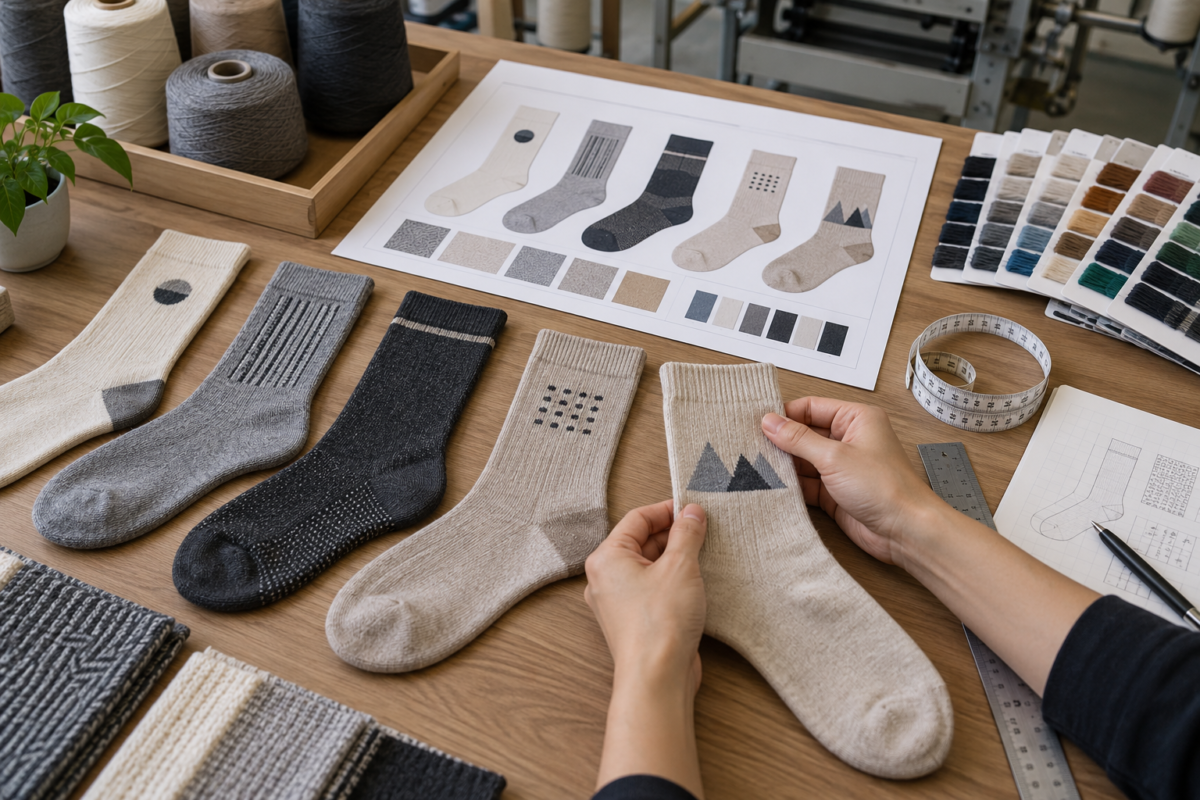

A practical supplier discussion should connect product requirements, approved references, production checks and clear communication.
Brands often hear similar promises when they evaluate sock suppliers: good quality, competitive prices, reliable delivery and professional service.
These statements may describe a supplier’s intentions, but they do not explain how a real project will be managed.
A more useful conversation begins with four practical questions. The answers can show how the supplier understands the product, transfers an approved sample into bulk production, communicates changes and responds when something does not go as planned.
01 How Will You Understand Our Product?
A supplier cannot recommend a suitable construction or prepare a useful quotation without understanding the product and its commercial context.
The first discussion should cover:
-
- Intended use and target customer
-
- Sales channel and expected retail position
-
- Sock height, size range and fit requirements
-
- Yarn, colour and construction preferences
-
- Logo, artwork and functional details
-
- Estimated quantity and number of designs
-
- Packaging, testing and delivery requirements
The supplier should separate confirmed requirements from assumptions and open questions. These details can then be recorded in a product brief, specification sheet or development checklist. Buyers can prepare these inputs using our guide to creating a custom sock development brief.
What a buyer should receive: a clear summary of the agreed direction, the missing information and the next development step.
02 How Will You Keep the Approved Sample and Bulk Production Consistent?
An approved sample should become a shared production reference rather than remain only a photograph or conversation.
Ask how the supplier controls:
-
- The approved sample and specification version
-
- Yarn composition and colour references
-
- Size measurements and tolerances
-
- Knitting structure and functional zones
-
- Logo execution and placement
-
- Pairing, labelling and packaging
-
- Approved changes made after sampling
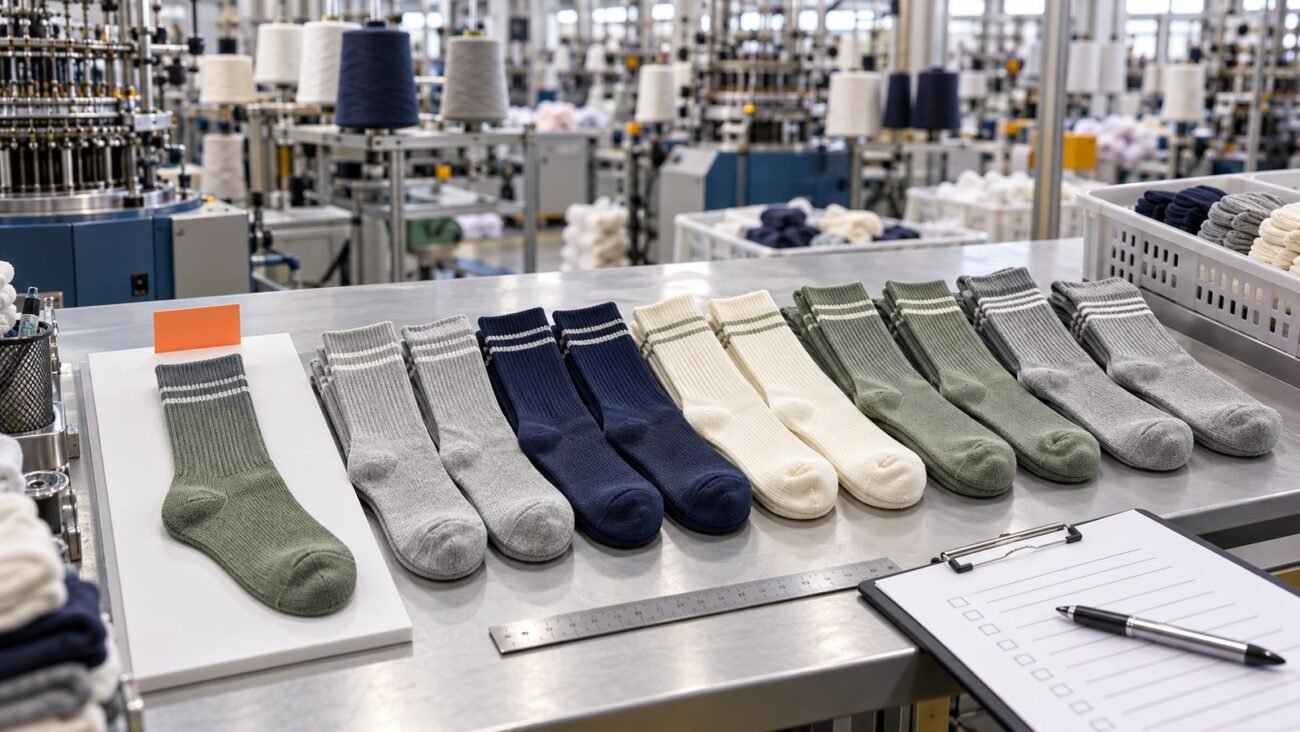
Production and quality teams should work from the same information. Depending on the product and order, the supplier may also use a pre-production review, first-piece confirmation or in-process checks.
What a buyer should receive: confirmation of the approved references and an explanation of the checks relevant to the order.

Four practical concerns help buyers evaluate how a sock supplier manages product understanding, consistency, changes and quality issues.
03 What Happens When a Requirement Changes?
Changes are common during product development. A yarn may be unavailable, artwork may need adjustment, packaging information may arrive late or the required delivery schedule may change.
The important issue is how the change is communicated and approved.
Ask:
-
- Who will inform the buyer?
-
- When will the buyer be notified?
-
- What information will explain the reason and impact?
-
- Which alternatives will be presented?
-
- Which changes require written approval?
-
- How will the specification and production instructions be updated?
Silence creates risk because different teams may continue working from different versions. Defined handover points in a sock project help keep changes visible to the people responsible for the next stage.
What a buyer should receive: a clear change notice showing the affected requirement, available options, timing impact and decision required.
04 How Will You Handle an Issue?
No supplier can promise that every project will proceed without an exception. A useful answer explains how issues are identified, contained, investigated and communicated.
The process may include:
-
- Recording the issue and affected quantity or stage
-
- Separating uncertain materials or products
-
- Checking the approved reference and available evidence
-
- Identifying the likely cause
-
- Proposing corrective action or alternatives
-
- Confirming the buyer’s decision when required
-
- Recording the final action and follow-up check
The response should match the seriousness of the issue. A minor packaging question and a product specification deviation require different levels of review.
What a buyer should receive: a timely factual update, the proposed next action and a named contact responsible for follow-up.
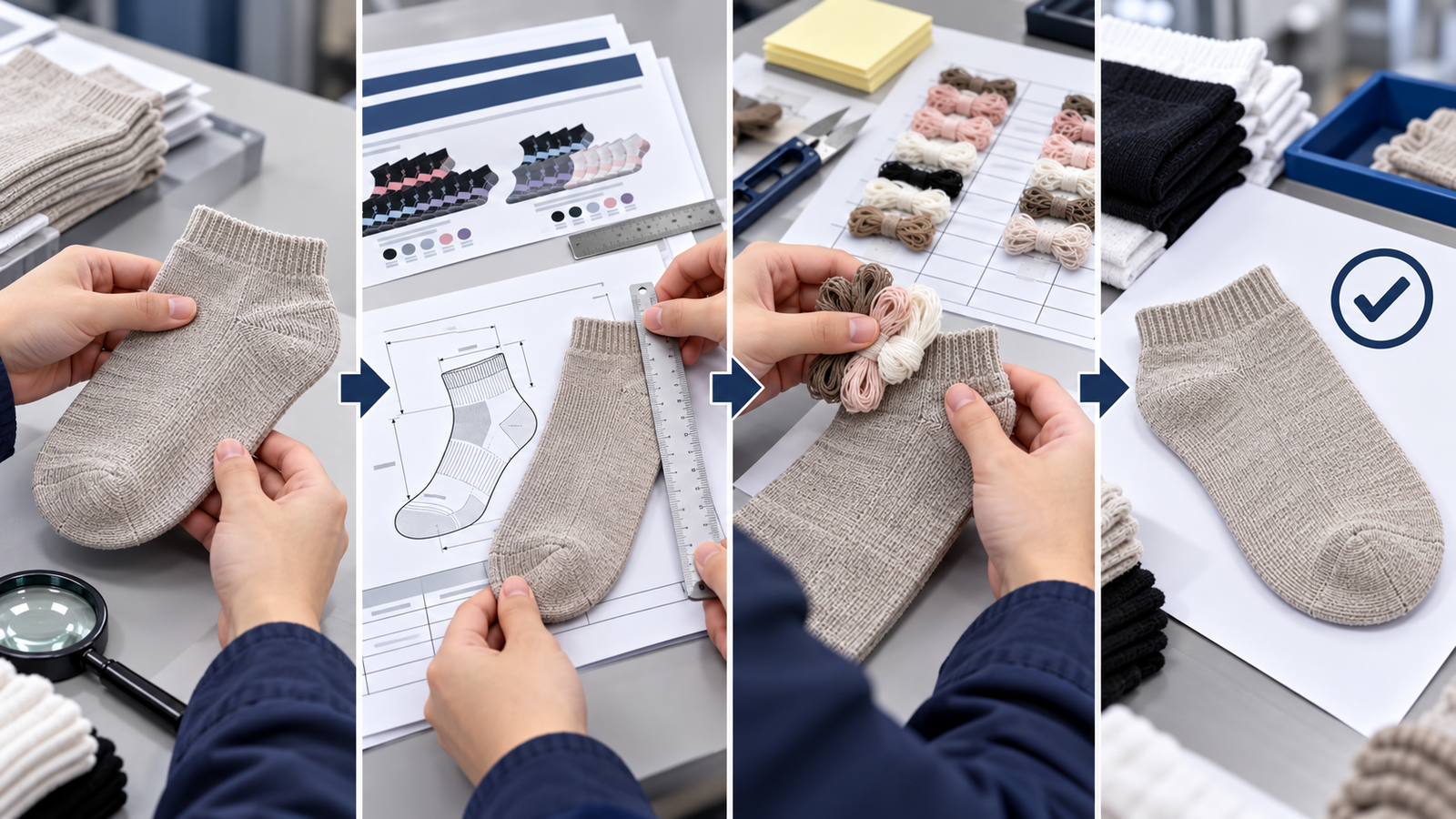
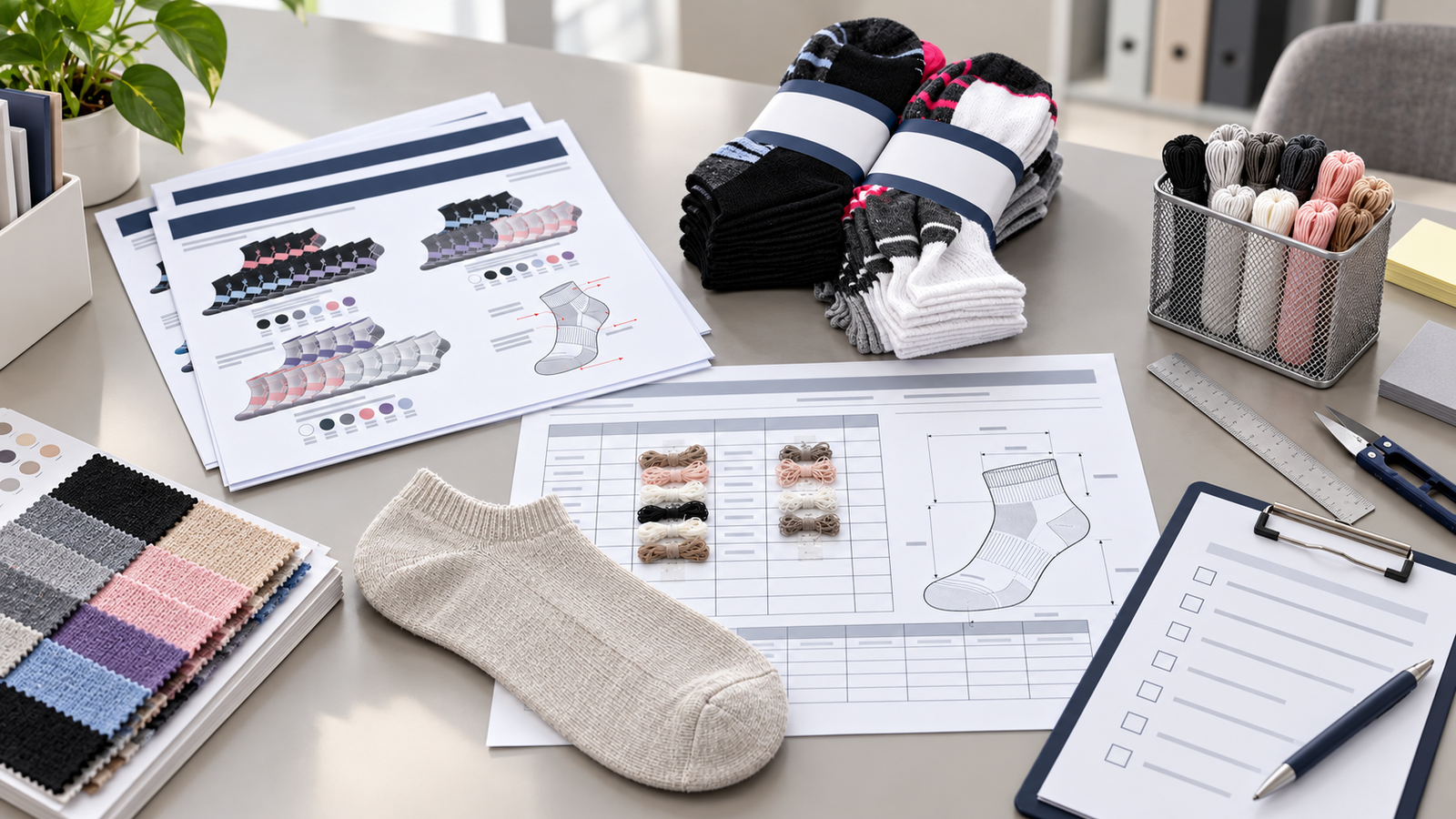
A clear issue-handling process moves from inspection and reference checking to corrective action and final confirmation.
05 Ask for Evidence, Not Only Reassurance
Buyers do not need confidential information from another customer. They can ask for anonymised examples of the supplier’s working records.
Useful evidence may include:
-
- A blank product brief or specification template
-
- An anonymised sample approval record
-
- A production or inspection checklist
-
- A change confirmation form
-
- A milestone tracker
-
- A corrective-action record with customer details removed
The purpose is to understand whether the supplier has a repeatable way to manage information and responsibility.
Documents alone do not prove performance. The supplier should also be able to explain how each record is used by the relevant team.
06 A Better Supplier Conversation
A responsible supplier may not give an immediate answer to every question before seeing the product brief and order conditions.
That is reasonable. Materials, minimum order quantities, sampling requirements, inspection methods and production timing depend on the actual project.
A useful first conversation should still make three things clear:
-
- What has already been confirmed
-
- What remains open or requires testing
-
- Who is responsible for the next decision
At Canfly Socks, we support brands, retailers and private label customers through product development, sampling, manufacturing, quality control, packaging and shipment coordination.
To discuss your project, send us the intended use, design reference, estimated quantity, packaging requirements and target delivery period. We can then identify the checks, records and communication points relevant to the order.
Email: sales05@zjcanfly.com
WhatsApp: +86 137 3535 0489