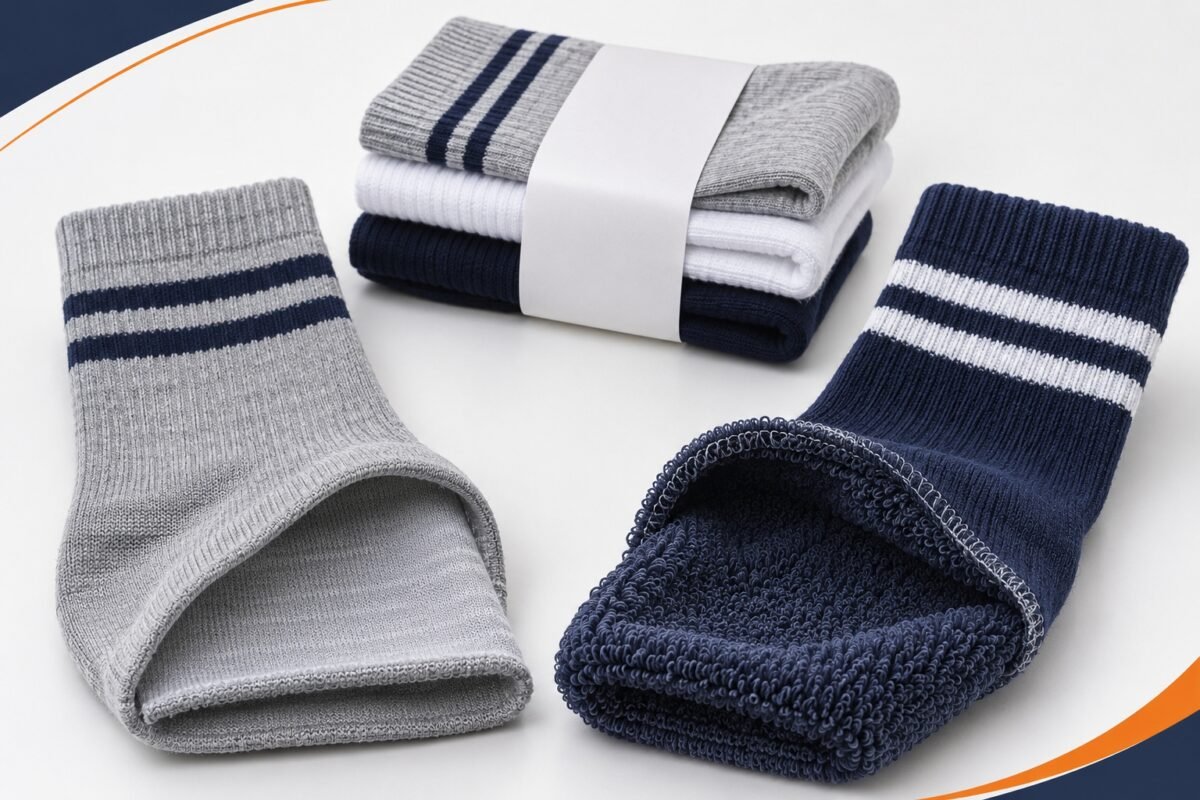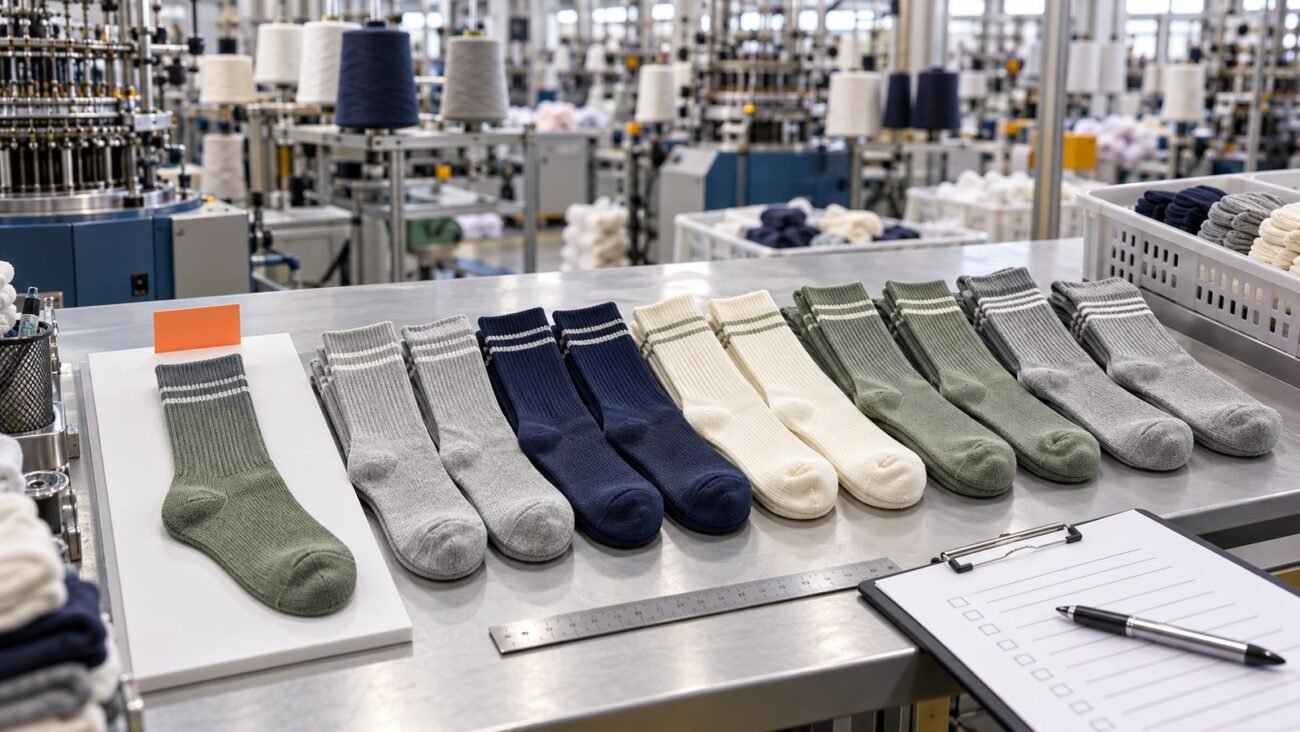


A custom sock sample often changes several times before approval. The cuff may need a different tension, the leg may need more length, a colour may need another yarn reference, or a logo may need to move after the sock is worn.
The important step is not only making the correction. Each accepted change should also be transferred into the current specification, artwork and approval record. Otherwise, the buyer may approve one physical sample while production receives an older file or an incomplete email comment.
This article continues the custom sock tech pack checklist by focusing on what should happen when a sample is revised.
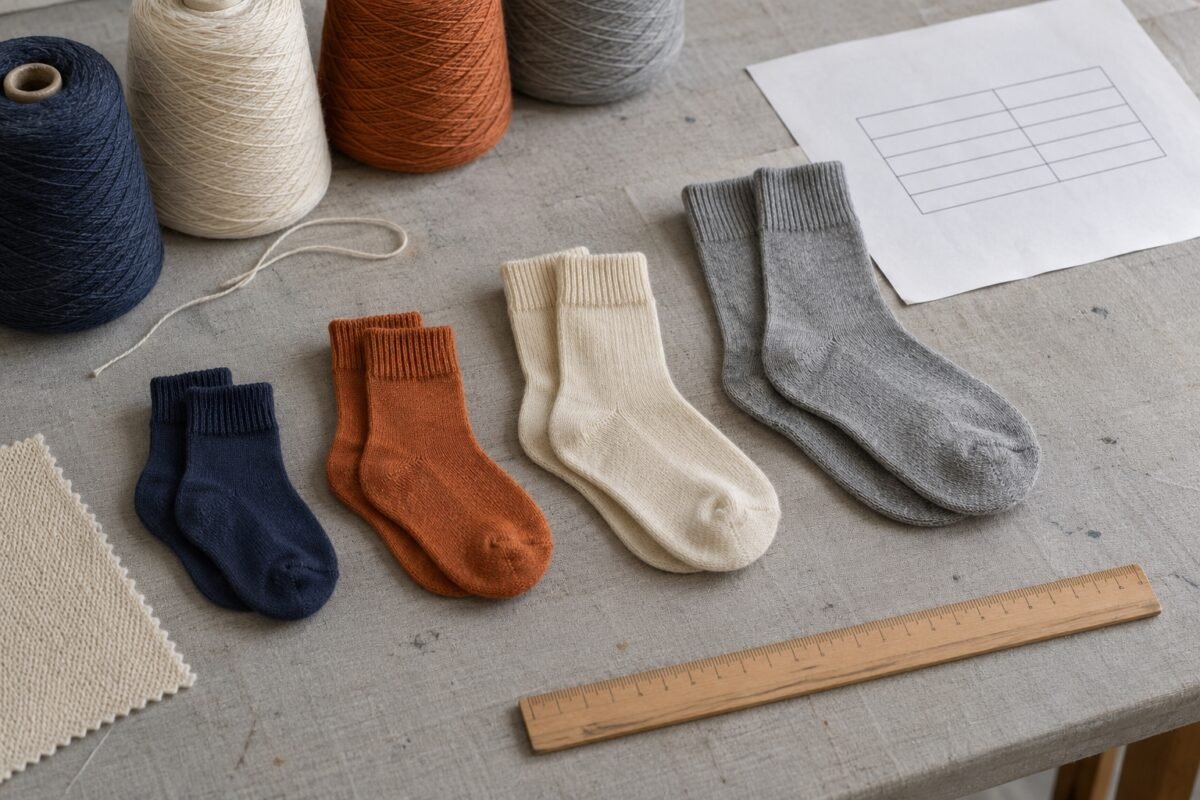
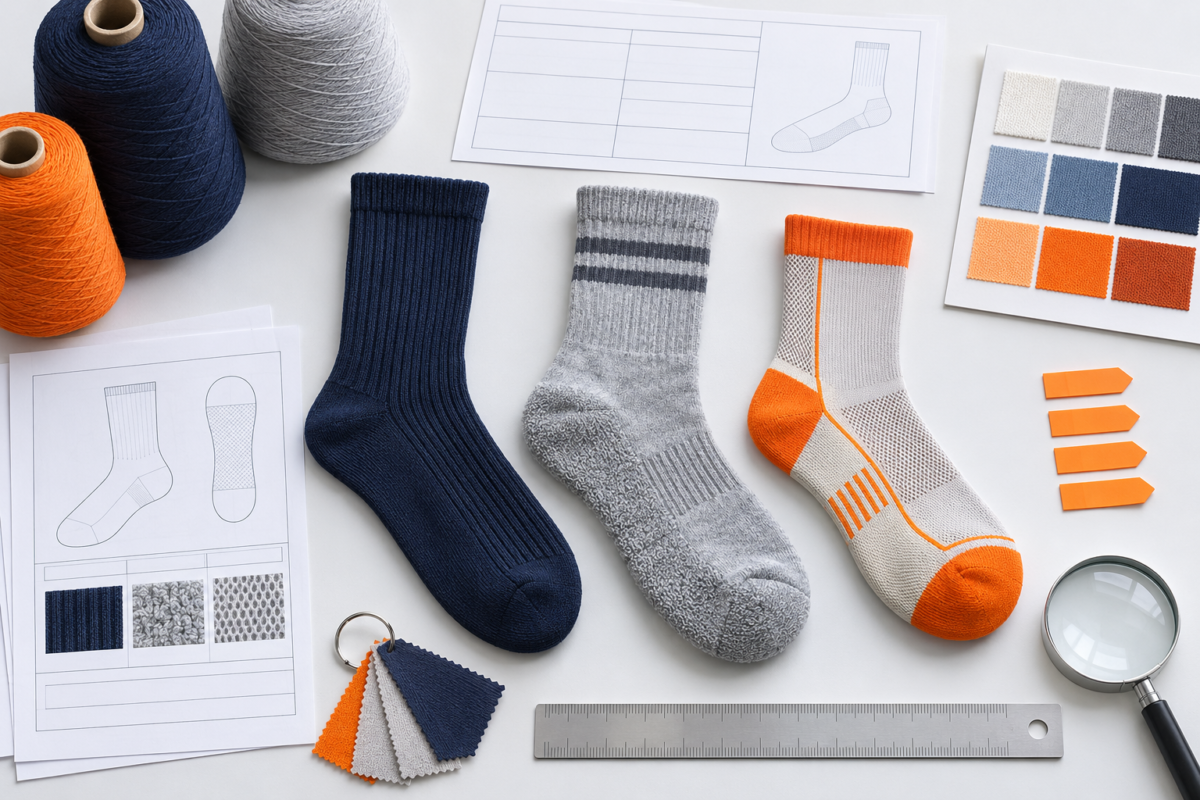
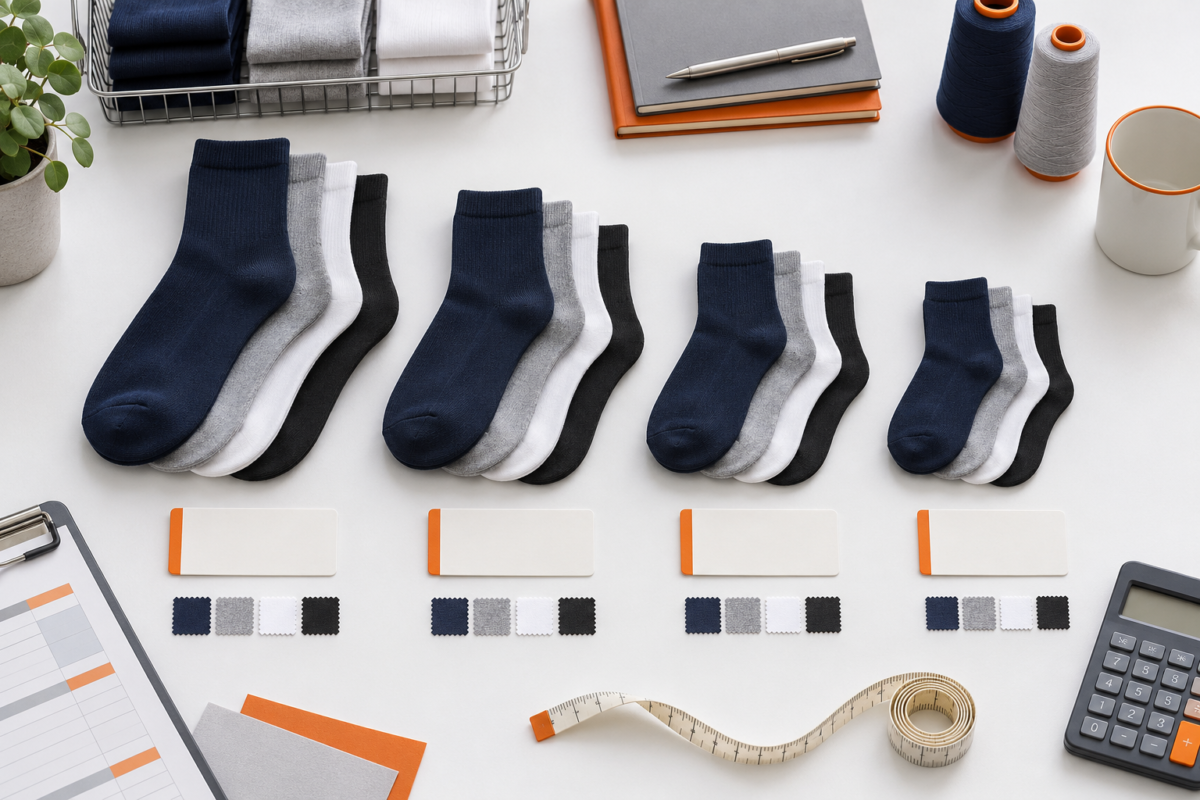
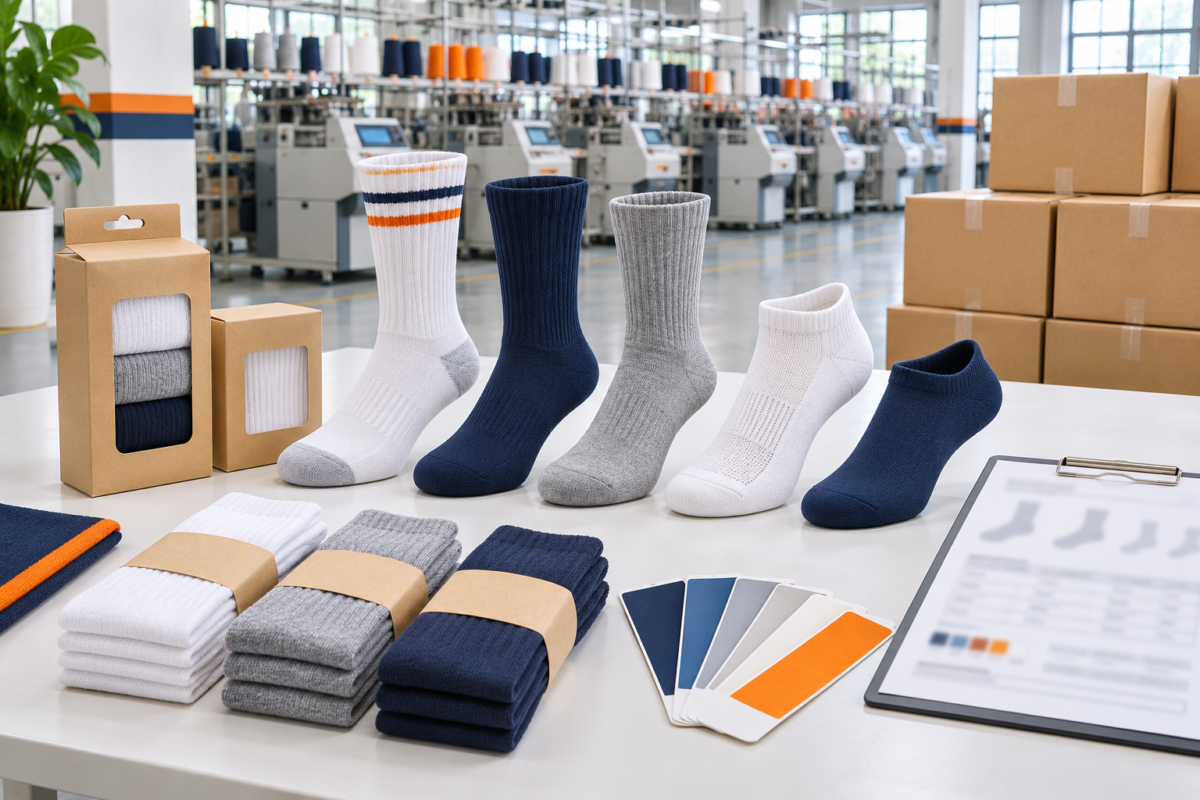
The photographs used in this article are authentic product-development materials. They illustrate sample, colour-reference and measurement work; they do not represent the complete record for a specific customer order.
01. Give Every Sample a Clear Version Identity
Start by making each sample distinguishable. A description such as “the latest pink sock” is not enough when several versions are being reviewed by different people.
Use a consistent sample reference that connects the physical item with its related files. Depending on the project, the reference may include:
- Style number
- Colourway
- Size
- Sample stage
- Revision number
- Date received or reviewed
Attach the same reference to the sample comment sheet, measurement record and photographs. If a new sample replaces an earlier one, mark the earlier version as superseded instead of leaving both versions active.
Confirmation at this stage: the buyer and supplier can identify the exact physical sample being discussed without relying on appearance alone.
02. Turn General Feedback Into a Checkable Instruction
Comments such as “make it softer,” “the logo looks small” or “the cuff is too tight” describe a concern, but they do not yet define a production instruction.
Translate the concern into a point that can be reviewed in the next sample. For example:
- Identify the area of the sock that needs attention.
- Record the current result or measurement.
- State the required direction or target.
- Confirm whether the change affects material, construction, dimensions or artwork.
- Define how the revised result will be checked.
A cuff comment may require an updated relaxed width, stretch expectation or elastic construction. A logo comment may require a revised artwork size and a fixed distance from the cuff. The instruction should be detailed enough for another team member to understand without reconstructing the conversation.
03. Reconfirm Materials and Physical Colour References
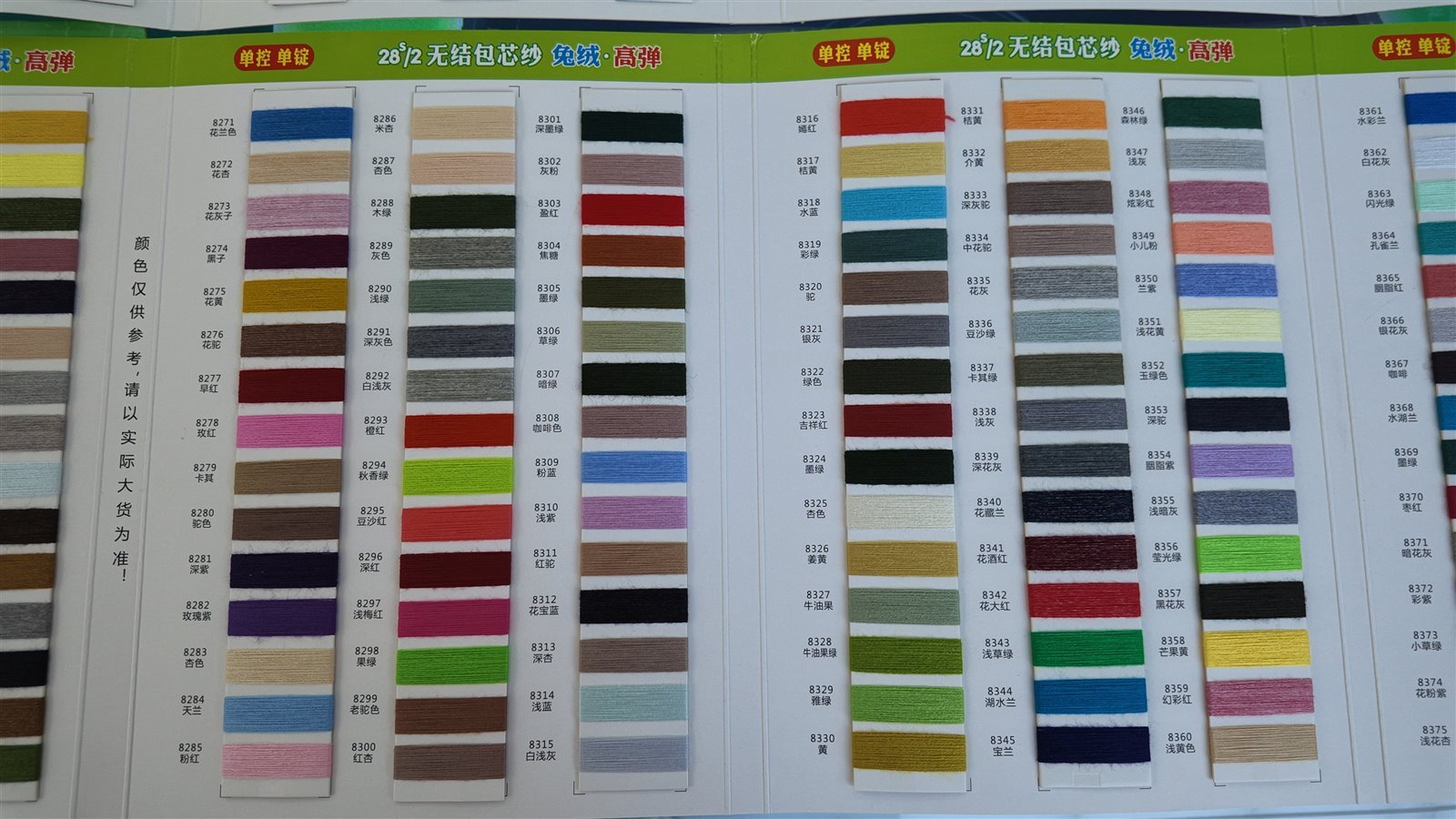
Physical yarn and colour references help connect a sample decision with a traceable material reference.
A sample revision may introduce a different yarn, fibre blend, thickness or colour. When this happens, update both the sample record and the material section of the tech pack.
Do not identify an approved colour only as “the darker blue” or by an image displayed on a screen. Record the supplier yarn reference, approved colour standard or identified physical swatch used for comparison. If the colour is still under review, mark it as pending.
The earlier guide to confirming sock materials and colours before sampling explains why the physical reference and the written specification should remain connected.
Useful revision details include:
- Previous and revised yarn reference
- Fibre or yarn change
- Colour reference and approval status
- Reason for the change
- Expected effect on feel, thickness, stretch or appearance
- Whether a new physical sample is required
Confirmation at this stage: the revised sample and the material record refer to the same yarn and colour decision.
04. Update Measurements and Measurable Sample Results

Measurable sample results can support version comparison when the method and sample identity are recorded.
When fit, proportions or construction change, measure the revised physical sample using the agreed method. Record actual results instead of keeping only the original target dimensions.
Relevant checks may include foot length, leg length, cuff width, heel position or the location of a functional zone. Depending on the project, sample weight may also support a comparison of material use or construction consistency. Weight alone does not confirm quality, but it can be a useful recorded reference when the measuring conditions and product version are clear.
The measuring condition matters. State whether the sock is measured relaxed, stretched or after an agreed conditioning process. Use the same method when comparing versions. Related fit checks are covered in the guide to confirming sock size and fit before bulk production.
Record:
- Measurement point and unit
- Target or approved tolerance, where applicable
- Actual result for each sample version
- Measuring condition
- Date and person completing the check
- Decision: approve, revise or review further
05. Keep Artwork, Logo Placement and Construction Aligned
A change to the sock can affect the artwork even when the logo file itself has not changed. A longer leg, different rib structure or revised size may alter how the logo looks when worn.
Update the artwork reference and placement diagram when a knitted, embroidered, printed or applied logo changes. Record the approved width, height, orientation, colours and distance from a fixed point on the sock.
For method-specific questions, refer to the guide on choosing a logo method for custom socks.
Do not approve a digital file and assume the physical result is automatically approved. The accepted sample should show how the logo appears on the selected yarn, construction and size.
06. Carry Approved Changes Into Packaging and Product Data
Sample revisions can affect information beyond the sock. A size change may require revised packaging copy. A new colourway may require another colour name, barcode or assortment. A changed selling unit may affect labels, inner packs and carton quantities.
Check whether the revision changes:
- Product name, style or colour reference
- Size information
- Fibre-content declaration
- Barcode or price-ticket data
- Packaging artwork
- Pack ratio or carton information
Keep the latest packaging file connected to the same product reference used by the approved sock. The guide to preparing sock packaging before bulk production provides a more detailed checklist.
07. Close the Revision With a Clear Approval Gate
A change record is incomplete until its status is visible. Every item should show whether it is proposed, revised, accepted, rejected or still pending.
Before releasing the order for bulk production, confirm that:
- The approved physical sample has a unique reference.
- Measurements and tolerances match the approved result.
- Yarn and colour references are current.
- Artwork and logo placement use the approved version.
- Packaging and product data match the same style, colour and size.
- Conditional approvals state what must still be corrected and checked.
- The final tech pack and approval date are visible to production and quality teams.
Approval should identify the evidence used, not only state “OK.” A short approval record can name the sample version, specification revision, approved files, remaining conditions and responsible approver.
08. A Practical Revision Table
A simple table can keep sample decisions visible:
| Field | What to record |
|---|---|
| Sample reference | Style, colour, size and revision |
| Date | Date sent, received or reviewed |
| Area changed | Material, dimensions, artwork, construction or packaging |
| Previous result | What was reviewed in the earlier version |
| Required revision | The checkable change requested |
| Revised result | Measurement, reference or observation from the new sample |
| Status | Pending, revise, approved or approved with condition |
| Approver | Person responsible for the decision |
The table does not replace the physical sample or technical specification. It connects the decisions so that the active production reference is easier to identify.
A well-controlled sock sample revision record helps the buyer, product developer, production team and quality team work from the same information. It also reduces the risk that a correct change remains only in an email while an older specification reaches production.
Canfly Knitting can review available product references and discuss the information needed for sampling. Materials, construction, measurements, artwork, packaging, minimum order quantity and timing should be confirmed for each project.
For a project discussion, contact sales05@zjcanfly.com or WhatsApp +86 137 3535 0489.